South Indian
Tamarind Rice (Puliyodarai)
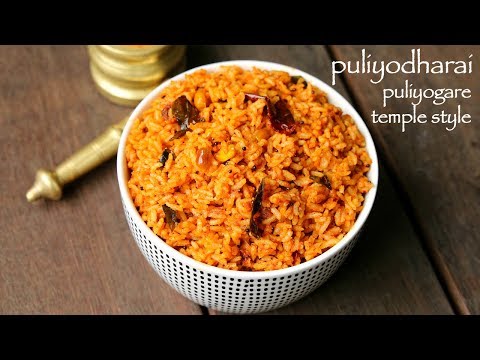
Tamarind Rice (Puliyodarai) is South Indian home cooking, eaten at lunch and dinner. On the plate it is the dish at the centre. Below is what usually sits beside it, what it does and does not contain, and what else to cook once you have made it.
Ingredients
- 4 cups cooked rice, cooled
- 1/3 cup tamarind pulp (soaked and strained)
- 1/3 cup peanuts
- 1 tbsp chana dal
- 1 tbsp urad dal
- 1 tbsp sesame seeds
- 3 dried red chilies
- 1 tsp mustard seeds
- 1/4 tsp fenugreek seeds
- 15 curry leaves
- 4 tbsp sesame oil
- 1/2 tsp turmeric
- 1 tsp jaggery
- 1 tsp salt
How to cook it
- Simmer the tamarind pulp with the turmeric and jaggery until it thickens into a jammy paste, then set it aside.
- Dry roast the sesame seeds and fenugreek seeds separately until fragrant, then grind them to a coarse powder.
- Heat the sesame oil in a wide pan and let the mustard seeds pop, then fry the peanuts, chana dal, and urad dal until golden, followed by the dried red chilies and curry leaves.
- Stir in the thickened tamarind paste and the ground spice powder and cook for 2 minutes until fragrant and glossy.
- Add the cooled rice and salt and toss gently until every grain is coated a deep tamarind brown, then serve at room temperature or warm.
Serve it with
A South Indian dinner is a plate rather than a single dish. These are the courses that normally sit beside Tamarind Rice (Puliyodarai), read from the same composition Dinejot builds a real meal from.
-
What it is eaten with
-
The sharp little thing
-
Something cool and fresh
A course labelled with another kitchen's name comes from a cuisine in the same family, which is where this plate usually borrows it from.
Safe at your table
Dinejot tracks ten allergens and tags every one of them by hand, so the absences below are as deliberate as the presences. Tamarind Rice (Puliyodarai) carries peanuts and sesame. It is free of the remaining 8 allergens on that list.
| Allergen | In this dish | Cook this instead |
|---|---|---|
| Peanuts | Yes | Adai (Tamil Nadu Multi-Lentil Dosa) |
| Tree nuts | No | |
| Dairy | No | |
| Gluten | No | |
| Shellfish | No | |
| Eggs | No | |
| Soy | No | |
| Fish | No | |
| Sesame | Yes | Adai (Tamil Nadu Multi-Lentil Dosa) |
| Coconut | No |
These tags are set by a person rather than inferred from an ingredient list, and they describe the recipe as written here. Read the labels on whatever you actually buy.
What it brings to the plate
Bands, not numbers. Dinejot does not weigh anybody's food, so it says light, moderate or hearty and stops there. This dish was read and set by hand.
- Calorie band
- Moderate
- Protein
- Low
- Food groups it covers
- Grains and Nuts and seeds
- How this was set
- Hand audited
When to cook it
Tamarind Rice (Puliyodarai) takes about 35 minutes from a cold stove to the table, and the cooking itself is a fair bit of work. It is eaten at lunch and dinner. Nothing in the calendar rules it out, so it is a year round dish.
Watch someone make it
Nothing loads from YouTube until you press play. Until then this is one still image, which is why the page opens as quickly as it does.

More to cook
Cooked from the same things
Other dishes built on rice, tamarind, and peanut.
From the same kitchens
More cooking from South India.
Does the same job on the plate
Swap any of these in when you want a meal the same shape.
Cook this with your whole family
Dinejot plans breakfast, lunch and dinner as whole plates, built around the cooking you call home and filtered for the allergies at your table.
Meal suggestions support your goals. They are not medical advice. Please ask your doctor about your family's health needs.